Cat and Butterfly Embroidery Design Review
As a professional embroidery designer running a personalized gift shop, I am constantly evaluating new artwork to ensure it meets the high standards my customers expect. When planning for the upcoming season of baby showers and spring celebrations, I decided to test stitch the Cat and Butterfly Embroidery Design. My goal was to determine if this specific machine embroidery design could transition seamlessly from a digital file to a cherished, tangible keepsake. After reviewing the digitizing structure and running test stitches, I have compiled my professional insights for fellow Etsy sellers, crafters, and small business owners considering this motif for their product lines.
First Impressions: Sweetness Meets Technical Precision
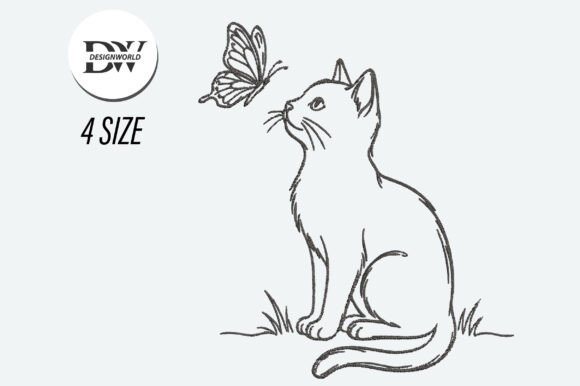
The immediate emotional appeal of the Cat and Butterfly Embroidery Design is undeniable. It captures a moment of innocent curiosity that resonates deeply with buyers looking for nursery decor or sentimental gifts. The mood is distinctly sweet and playful without being overly juvenile, making it versatile enough for both baby embroidery projects and adult cat lover gifts. From a digitizing perspective, the interaction between the kitten and the butterfly offers excellent visual balance. The design avoids large, dense fill areas that can cause puckering, instead utilizing a mix of satin stitches for outlines and lighter fills for texture. This thoughtful construction suggests the embroidery file was created with actual stitching in mind, rather than just digital aesthetics.
For a handmade product seller, this balance is crucial. The charm lies in the delicate details of the butterfly wings and the expressive posture of the kitten. However, as I examined the design, I noted that the elegance relies heavily on proper thread color selection. While the sample may show standard colors, customizing the thread colors to match a client’s specific nursery palette or wedding theme significantly elevates the perceived value. The design feels classic yet fresh, positioning it as a strong contender for shops focusing on timeless, heirloom-quality goods.
Ideal Applications for Personalized Gifts
During my product planning phase, I identified several key categories where the Cat and Butterfly Embroidery Design excels. Its versatility makes it a valuable asset for diversifying inventory without purchasing multiple single-use designs.
- Nursery and Baby Items: This is the primary use case. The design is perfectly scaled for blanket embroidery, bibs, and burp cloths. Because the stitch density appears moderate, it remains soft against sensitive skin, which is a non-negotiable factor for parents buying baby embroidery.
- Kitchen and Home Textiles: For those selling embroidered towel sets or aprons, this motif adds a whimsical touch to functional items. It works beautifully on tea towels as a "cat mom" gift or on pillow covers for a cozy reading nook.
- Wedding and Anniversary Keepsakes: Surprisingly, this design translates well to romantic gifts when styled correctly. A custom tote bag or linen handkerchief featuring this design can serve as a unique wedding gift for animal-loving couples, especially when paired with elegant script font.
- Digital Product Listings: For sellers offering the digital embroidery file itself, this artwork has high commercial potential. It appeals to other makers because it stitches out cleanly on various substrates, reducing customer support queries regarding registration issues.
Fabric Considerations and Stitching Cautions
While the Cat and Butterfly Embroidery Design is robust, experienced embroiderers know that not all fabrics behave identically. During my testing, I paid close attention to how the design interacts with different textures. Small lettering or intricate antennae details require careful stabilization. If you are applying this to thick terry cloth for an embroidered towel, you must use a water-soluble topping to prevent the stitches from sinking into the pile. Without this step, the delicate butterfly details will be lost visually.
Stretchy baby clothes present another challenge. Knits require a cut-away stabilizer to maintain the integrity of the design after washing. I recommend testing on a scrap piece of the exact garment fabric before committing to a final custom embroidery order. Dark fabrics also demand attention; while the design likely includes white underlay, verifying contrast is essential. A white kitten on a navy blanket pops beautifully, but subtle pastel threads on cream fabric may lack definition in product photography. Always check your hoop size compatibility before purchasing, as resizing complex designs can sometimes distort stitch angles or alter the registration of the butterfly's wings relative to the cat.
Elevating Perceived Value and Customer Trust
In the competitive world of Etsy sellers and small shop products, presentation is everything. The Cat and Butterfly Embroidery Design contributes directly to buyer engagement through its inherent "giftability." Customers are not just buying stitches; they are buying an emotion. When photographing finished products, ensure the lighting highlights the sheen of the rayon or polyester threads. The dimensional quality of the embroidery should be visible, reinforcing the handmade product aspect that mass-produced items cannot replicate.
Furthermore, using high-quality designs builds customer trust. When a client receives a pillow cover where the kitten’s face is perfectly registered and the butterfly looks airy rather than bulletproof-vest stiff, they associate that quality with your brand. This leads to repeat business and positive reviews. For commercial embroidery businesses, consistency is key. This design’s predictable stitch-out behavior means fewer ruined blanks and higher profit margins. Creating a printable mockup for clients to approve before stitching can also streamline the custom order process, ensuring the placement and scale meet their expectations for items like aprons or tote bags.
Practical Notes for Professional Results
Before adding the Cat and Butterfly Embroidery Design to your permanent collection or listing it for sale, adhere to these best practices to ensure success:
- Verify Licensing: Always confirm the commercial licensing terms included with the digital embroidery file. Some designers allow finished product sales but prohibit sharing the file itself. Clarify this before marketing.
- Test Stitch Density: Run a test on scrap fabric similar to your intended final product. Check if the stitch density is appropriate for the material weight. Adjust pull compensation if necessary for stretchy fabrics.
- Stabilizer Selection: Match your stabilizer to the fabric texture. Use tear-away for stable wovens like quilting cotton, and cut-away for knits or unstable weaves. Never skip stabilizer on lightweight baby garments.
- Thread Contrast Check: Compare light and dark fabric mockups. Ensure the design reads clearly in grayscale photos, as many customers browse on mobile devices with varying screen brightness.
- Hoop Size Confirmation: Double-check the physical dimensions of the design against your available hoops. Avoid resizing beyond 10-20% to preserve the original digitizer’s intent and stitch quality.
- Post-Stitch Inspection: After stitching, inspect small details like the butterfly antennae and facial features. Trim any jump threads meticulously. Clean finishing is what separates amateur work from professional custom embroidery.
The Cat and Butterfly Embroidery Design represents a wonderful opportunity for makers to create meaningful, marketable goods. By understanding its technical requirements and emotional resonance, you can confidently integrate it into your workflow. Whether you are creating a one-of-a-kind wedding gift or stocking your shop with best-selling nursery items, this design offers the perfect blend of artistry and functionality. Remember to always respect the intellectual property of the digitizer and prioritize quality testing to deliver the exceptional results your customers deserve.