Cute Sleeping Koala Embroidery Design Review
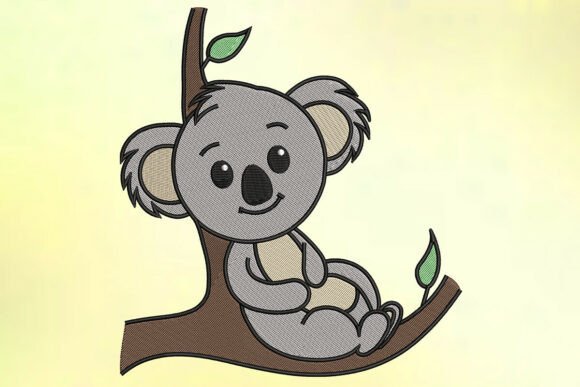
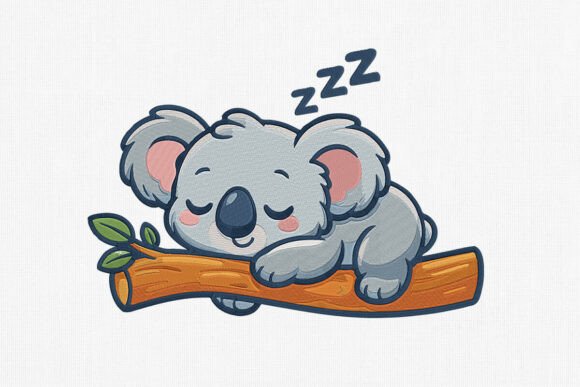
As a professional embroidery designer and product reviewer, I approach every new machine embroidery design with a critical eye. It is not enough for a graphic to look charming on a screen; it must translate beautifully through needle and thread onto physical fabric. When evaluating the Cute Sleeping Koala Embroidery Design, my primary focus is on its structural integrity and commercial viability for makers. This digital embroidery file features a peaceful koala resting on a tree branch, and while the concept is undeniably sweet, the execution determines whether it becomes a bestseller in your shop or a source of production headaches.
First Impressions and Visual Personality
Upon opening the file, the immediate impression is one of softness and tranquility. The layout centers the sleeping koala in a way that suggests stability, which is crucial for hooping. In the category of Baby Animals, designs often suffer from being overly complex or having too many color changes that slow down production. However, this design appears to balance detail with stitch efficiency. The mood is distinctly nursery-appropriate, making it an instant candidate for baby embroidery projects like onesies, bibs, and receiving blankets.
From a designer’s perspective, the shape of the koala against the branch creates a natural bounding box. This is excellent news for placement. Unlike irregular shapes that waste hoop space or require excessive stabilizer to prevent distortion, this composition feels grounded. The visual personality is gentle, relying on curved lines rather than sharp angles, which typically results in smoother stitching and less puckering on stretchy fabrics.
Real-World Application: Stitching a Custom Sweatshirt
To truly evaluate this asset, I mentally walked through a recent client project involving custom apparel. A boutique owner requested a line of cozy sweatshirts featuring Australian wildlife for a holiday collection. The Cute Sleeping Koala Embroidery Design was the frontrunner for this sweatshirt embroidery application.
In this scenario, the design needs to perform on fleece-backed cotton, a fabric notorious for shifting. Because the koala is depicted sleeping, the design likely utilizes a mix of fill stitch for the body and potentially satin stitch for outlining or facial features. For a sweatshirt, I would verify that the fill stitches have adequate underlay. Without proper underlay, the design can sink into the fleece pile, losing definition. If this file includes sufficient underlay programming, it will sit proudly on top of the fabric texture, maintaining that adorable charm even after washing.
For Etsy sellers and small shop owners, this specific use case highlights value. A well-digitized sleeping animal evokes comfort, directly correlating to the emotional response buyers have toward loungewear. If the stitching is clean and the registration holds up on a textured surface, the perceived value of the handmade product increases significantly.
Navigating Fabric Challenges and Hoop Sizes
While the design shines on stable knits, caution is required for other applications. As an experienced reviewer, I must emphasize checking the hoop size requirements before purchasing. If you intend to use this as a small chest logo on a polo or a pocket accent on a toddler's dress, ensure the smallest available size retains clarity. Sometimes, resizing a design down causes stitch density issues where satin stitches become too narrow or gaps appear between sections.
When working with thin or stretchy fabrics, such as jersey knit for baby clothes, the choice of stabilizer is non-negotiable. I recommend testing this design on scrap fabric first using a cut-away stabilizer rather than tear-away. The weight of the thread combined with the density of the koala’s fur texture could distort lightweight fabric if unsupported. For tote bag design projects on canvas, the design should be robust enough to handle the coarse weave, but you may need to increase top thread tension slightly to ensure the stitches lock securely into the heavy material.
Dark fabrics present another consideration. If the koala is digitized primarily in light greys and creams, it will pop beautifully on navy or charcoal garments. However, if you plan to stitch this on white fabric, ensure there is enough contrast in the outline or shading to define the shape. Without contrast, the edges can get lost, diminishing the professional finish of the finished product.
Commercial Viability for Makers and Sellers
For creative entrepreneurs and digital product sellers, versatility is key. The Cute Sleeping Koala Embroidery Design serves multiple niches effectively. Beyond apparel, it is ideally suited for nursery decor, including pillow covers and wall hangings. The peaceful theme also makes it appropriate for holiday embroidery gifts, particularly for new parents or baby showers.
If you are creating printable mockups for your online listings, this design photographs well due to its centralized composition. It avoids the awkward whitespace that plagues poorly laid-out files. For those selling embroidered patches, verify if the design includes a merrowed edge simulation or a border stitch. If not, you may need to add a guide line for cutting or finishing the patch edges manually.
Etsy sellers should also consider the licensing. Always confirm whether the embroidery file allows for commercial use on finished goods versus digital resale. Assuming commercial rights for physical products are granted, this design has high potential for personalization. Adding a name beneath the branch in a simple running stitch font can transform this stock asset into a premium personalized gift without overwhelming the main motif.
Essential Designer Notes for Success
Before loading this design into your machine for a paid order, adhere to these practical guidelines to ensure professional results:
- Test Stitch Mandatory: Never skip the test run. Check specifically for registration errors between the koala’s face and body. Misalignment in facial features ruins the "cute" factor instantly.
- Review Thread Colors: Verify the color chart included with the file. Some digitizers use generic palettes. Adjust thread colors to match your specific brand aesthetic or fabric tone before production.
- Check Density Settings: If you are stitching on delicate baby items, consider reducing the density by 10-15% in your software to prevent the fabric from becoming stiff or bulletproof.
- Evaluate Small Details: Inspect the eyelashes or claws at the smallest size. If they are single runs that might break or disappear, edit them out or thicken them for durability.
- Mockup Testing: Create black and white mockups to check value contrast. If the design looks muddy in grayscale, it lacks sufficient depth for real-world viewing distances.
- Stabilizer Matching: Pair the stabilizer weight to the fabric, not just the design. Heavy design plus light fabric equals disaster. Use adhesive spray for slippery materials to prevent shifting during the intricate details of the branch.
- Licensing Verification: Double-check the terms for commercial embroidery. Protect your business by ensuring you have the right to sell items featuring this artwork.
Final Verdict on Usability
The Cute Sleeping Koala Embroidery Design offers a strong foundation for makers focusing on the baby and nursery market. Its success lies in its emotional resonance and adaptable composition. Whether you are producing custom apparel, crafting unique gifts, or expanding your digital design assets library, this file promises utility provided you respect the technical requirements of your chosen substrate. By approaching this design with professional preparation and realistic expectations regarding fabric interaction, you can confidently integrate this adorable koala into your product lineup, ensuring both customer satisfaction and efficient production workflow.