Faith Over Fear Embroidery Design PES Review
As a professional embroiderer and product reviewer, I approach every new machine embroidery design with a critical eye toward production viability. When evaluating the Faith over Fear Embroidery Design PES, my primary focus is not just on the digital artwork, but on how those stitches translate onto physical substrates in a real-world studio environment. This design carries a significant emotional weight, making it a staple for faith-based merchandise, holiday gifts, and personal encouragement items. However, the transition from screen to fabric requires careful consideration of size, density, and application to ensure the final handmade product meets professional standards.
First Impressions and Visual Hierarchy
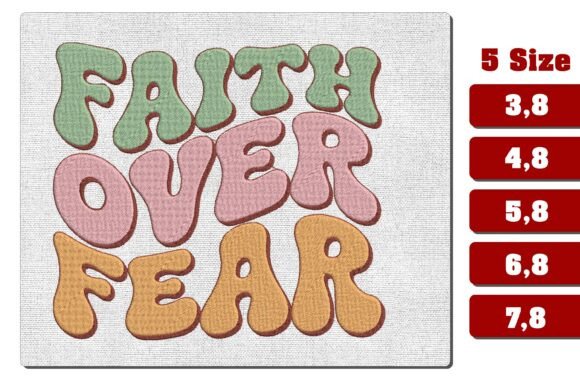
Upon loading the embroidery file into my digitizing software, the layout immediately suggests a balanced typographic composition. The phrase "Faith Over Fear" relies heavily on font contrast to convey its message effectively. In machine embroidery, typography is unforgiving; if the lettering is too thin or the spacing is inconsistent, the design fails regardless of the sentiment. This specific PES file appears to respect the limitations of thread, avoiding overly ornate serifs that might get lost in the weave of textured fabrics.
The visual mood is resolute yet comforting. For an Etsy seller or boutique owner, this aesthetic bridges the gap between modern minimalist decor and traditional religious expression. It avoids looking dated, which is crucial for selling custom apparel to younger demographics while still appealing to older generations seeking meaningful holiday embroidery. The design feels versatile enough to serve as a standalone statement piece or a complementary element in a larger collection of spiritual goods.
Real-World Application: The Sweatshirt Test
To truly evaluate this design, I mentally simulate a common client request: a custom crewneck sweatshirt for a church women’s retreat or a Thanksgiving gathering. Sweatshirts are notoriously tricky due to their stretch and fleece backing. Using the 6.8-inch or 7.8-inch version of Faith over Fear Embroidery Design PES would be ideal for center-chest placement on adult apparel.
In this scenario, the stitch density becomes the deciding factor for quality. If the fill areas are too dense, the sweatshirt fabric will pucker, creating a stiff, bulletproof patch effect that ruins the garment's drape. Conversely, if the density is too light, the fleece texture will push through the stitches, making the text look ragged. Based on the available sizes, this design likely scales well, but I always recommend running a test stitch-out on a scrap of similar fleece material. For a sweatshirt embroidery project like this, using a medium-weight cutaway stabilizer is non-negotiable to maintain registration and prevent distortion during wear and washing.
Sizing Versatility Across Product Lines
One of the strongest assets of this collection is the range of available sizes: 3.8", 4.8", 5.8", 6.8", and 7.8". This gradation allows creative entrepreneurs to maximize the utility of a single purchase. Here is how I would strategically deploy each size in a commercial setting:
- 3.8 inch: Perfect for baby onesies, toddler bibs, or pocket-sized logos on polo shirts. At this scale, verify that any internal counters in letters (like 'a', 'e', 'o') remain open and do not close up during stitching.
- 4.8 inch: Ideal for standard 4x4 hoop users creating kitchen towels, napkins, or left-chest branding on t-shirts. This is the workhorse size for small shop products.
- 5.8 inch: A transitional size excellent for tote bag designs or decorative pillow covers where you need presence without overwhelming the canvas.
- 6.8 inch & 7.8 inch: Reserved for large-format projects like blanket corners, wall hangings, or bold back-of-hoodie statements. These sizes allow for greater detail and smoother satin columns.
Critical Considerations for Fabric and Stabilization
While Faith over Fear Embroidery Design PES is versatile, it demands respect for fabric physics. As a reviewer, I must highlight where caution is necessary. Textured fabrics like linen or burlap, often used for rustic Thanksgiving decor, can obscure fine details. If you plan to stitch this on high-texture material, consider using a water-soluble topping to keep the stitches crisp and visible.
Stretchy performance fabrics present another challenge. If you are producing activewear or lightweight tees, the tension of the satin stitch elements can cause tunneling. Always use a ballpoint needle to avoid cutting fibers and pair it with a fusible no-show mesh stabilizer. For dark fabrics, ensure your thread colors provide sufficient contrast. White or metallic gold threads typically offer the best readability against navy or black garments, enhancing the perceived value of the finished product.
I advise against using the smallest size on curved surfaces like caps unless you have verified the design height fits within your cap frame's safe zone. Lettering that wraps too far around a curve can distort, making the inspirational message difficult to read. Similarly, be cautious with sheer or organza fabrics; the stitch count required for legibility may be too heavy, causing tearing or excessive stiffness.
Commercial Viability and Customer Perception
For those running a craft business or selling on platforms like Etsy, this design holds strong commercial potential. Faith-based niches are evergreen, but they are also saturated. Success depends on execution. A clean, professional stitch-out builds customer trust instantly. Buyers can distinguish between a hobbyist guess and a professional result by examining edge definition and thread tension.
When listing items featuring this design, use accurate printable mockups alongside photos of actual stitched samples. Digital previews show the ideal, but real photos prove capability. Highlight the specific size used in your product description so customers understand the scale relative to the item. If you are selling personalized gifts, mention that the design leaves adequate negative space for adding custom names or dates, provided you have the digitizing skills to integrate them harmoniously.
Always verify the licensing terms included with your specific download before selling. While many designers permit sales of finished physical goods, restrictions often apply to sharing the digital embroidery file itself or using the design in mass-produced factory settings. Respecting these terms protects your business reputation and supports the original digitizer.
Designer Notes for Optimal Results
Before committing Faith over Fear Embroidery Design PES to a sellable inventory or a cherished gift, adhere to these professional best practices:
- Test Stitch First: Never assume a file is perfect out of the box. Machine calibration varies. Run a test on scrap fabric matching your final project weight.
- Audit Thread Colors: Check the color sequence sheet. Ensure transitions between colors are logical and minimize unnecessary trims to reduce production time.
- Verify Hoop Compatibility: Confirm your machine supports the selected size. Do not attempt to resize beyond the provided dimensions without re-digitizing, as this alters stitch density and compromises integrity.
- Check Contrast: View the design in grayscale on your computer to judge value contrast independent of hue. If it looks muddy in black and white, it will lack pop on fabric.
- Stabilizer Selection: Match stabilizer weight to fabric weight. Over-stabilizing creates bulk; under-stabilizing causes registration errors. When in doubt, test both options.
Ultimately, Faith over Fear Embroidery Design PES offers a solid foundation for meaningful embroidery projects. Its success lies not just in the digital file, but in the maker's understanding of materials, stabilization, and presentation. By treating this design with technical diligence, you transform a simple PES file into a high-quality asset that resonates emotionally and stands up to the rigors of daily use. Whether for a Thanksgiving centerpiece, a comforting gift, or a boutique bestseller, thoughtful execution ensures the message remains clear and the craftsmanship undeniable.