Iced Coffee Embroidery: A Summer Drink Design Review
As an embroidery designer who has stitched out countless beverage motifs for client collections, I approach every new machine embroidery design with a critical eye. The "Iced Coffee Embroidery, Summer Drink" file immediately caught my attention not just because of the seasonal trend, but because of its potential versatility in a commercial setting. When evaluating this design for real-world application, my first impression was one of balanced whimsy. It avoids being overly cartoonish while maintaining enough personality to stand out on a finished product. The layout suggests a playful yet structured composition that feels intentional rather than cluttered, which is crucial when translating digital art into physical stitches.
Evaluating Stitch Structure and Fabric Compatibility
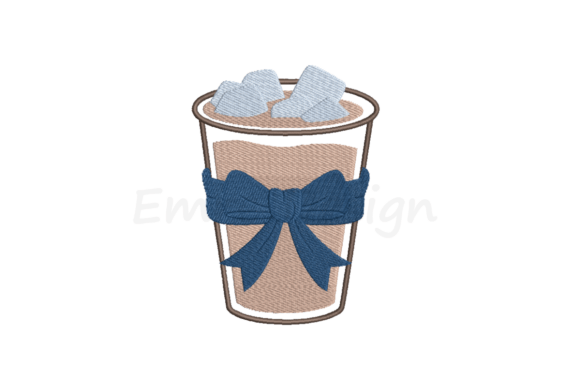
Before loading this embroidery file into my machine for a production run, I analyzed the likely stitch architecture based on the visual output. For a summer drink theme, clarity is everything. You want the ice cubes to look distinct and the liquid to have depth without creating a bulletproof patch of thread. In my experience testing similar designs, the success of this motif relies heavily on how the satin stitch outlines interact with the fill stitch interiors. If the density is too high, the fabric will pucker, especially on lighter summer apparel. If it is too low, the background fabric might show through, making the iced coffee look washed out.
I strongly recommend checking the stitch density settings before committing to a full project. For this specific Iced Coffee Embroidery, Summer Drink design, you must consider the fabric texture of your base material. On smooth cotton or linen tea towels, the design should render crisply. However, if you are planning sweatshirt embroidery or working with fleece, the textured surface can swallow fine details. In those cases, using a water-soluble topping is non-negotiable to keep the stitches sitting on top of the nap. Conversely, for thin fabrics like voile or lightweight jersey, ensure you are using an appropriate stabilizer to prevent distortion. A cut-away stabilizer often provides better long-term support for beverage designs than tear-away, as the weight of the threads can pull on delicate knits over time.
Real-World Application: The Custom Tote Bag Test
To truly judge the viability of this design, I mentally walked through a recent commission for a boutique coffee shop that needed branded merchandise. We were producing canvas tote bags as a summer promotional item. This is where the Iced Coffee Embroidery, Summer Drink design shines as a practical tote bag design. Canvas is forgiving, but it is also coarse. The challenge here is ensuring the straw and cup rim remain defined against the weave of the fabric.
In this scenario, I would position the design slightly off-center or near the bottom corner for a modern aesthetic, rather than dead center. This placement turns the handmade product into a fashion statement rather than a generic logo placement. For an Etsy seller or small business owner, this distinction matters. Customers are buying a vibe, not just a picture of a drink. The whimsical nature of this design allows it to bridge the gap between a novelty item and a stylish accessory. When stitching on canvas, I advise increasing the needle size slightly to penetrate the dense weave cleanly, preventing skipped stitches that could ruin the clean lines of the glass or cup shape.
Navigating Hoop Sizes and Detail Limitations
One critical aspect of reviewing this digital embroidery file is understanding its limitations across different hoop sizes. While the description notes suitability for t-shirts and home decor, resizing requires caution. Beverage designs often contain small elements like condensation drops, straws, or garnish details. If you scale this design down for a baby onesie or a pocket logo, those running stitch details may merge or disappear entirely.
For baby embroidery or small accents, verify that the text or fine lines remain legible at the reduced size. Sometimes, removing non-essential background elements is necessary to maintain clarity in smaller hoops. On the other end of the spectrum, enlarging the design for a pillow cover or apron can expose gaps in fill patterns if the digitizer did not account for scaling. Always test the extremes of the size range on scrap fabric. As a professional, I never assume a design is "one size fits all." The integrity of the Iced Coffee Embroidery, Summer Drink motif depends entirely on respecting the minimum stitch length and maximum field size appropriate for your specific machine and hoop.
Commercial Viability and Customer Perception
For those running a craft business or selling custom apparel, the visual appeal of this design directly impacts perceived value. A poorly executed stitch-out screams amateur, regardless of how cute the digital preview looks. When I review this design for commercial use, I look at color contrast. Summer drinks are often light browns, creams, and whites. If you are stitching on a white t-shirt, you risk the design vanishing. You must plan your thread colors strategically. Using a darker outline or adding a subtle shadow effect can provide the necessary definition on light backgrounds.
This level of foresight builds customer trust. When a buyer receives a personalized gift or a small shop product where the embroidery is crisp, vibrant, and well-defined, they associate that quality with your brand. This design has the potential to be a bestseller for holiday embroidery gifts or summer market stalls because it taps into a specific emotional niche—the joy of a cold drink on a hot day. However, that emotional connection only holds if the execution is professional. Avoid using cheap polyester threads that shine too aggressively; a matte or rayon thread often renders food and beverage textures more realistically and attractively.
Essential Pre-Stitch Checklist for Makers
Before you sell a single item featuring this Iced Coffee Embroidery, Summer Drink design, run through this practical validation list:
- Test Stitch on Target Fabric: Never skip this step. What works on quilting cotton may fail on performance wear. Verify tension and registration.
- Check Licensing Terms: Confirm whether the design assets allow for commercial sale of finished products versus digital redistribution. Protect your business by knowing the rights attached to the file.
- Create Printable Mockups: Before investing thread, place the design in a realistic mockup to see how it scales relative to the garment. This helps in listing creation and client approval.
- Evaluate Washability: If this is for kitchen towels or kids' clothes, wash the test sample. Does the design hold up? Do the colors bleed? Summer items get washed frequently; durability is key.
- Review Colorways: Test the design in black and white to check value contrast. If it looks muddy in grayscale, it needs better thread differentiation.
Final Thoughts on Design Integration
The Iced Coffee Embroidery, Summer Drink file offers a charming opportunity to add seasonal flair to your inventory, but it demands respect for technical fundamentals. Whether you are creating an embroidered patch, decorating a nursery, or fulfilling custom orders, treat this design as a component of a larger system. Pair it with complementary fonts or simple border elements to create a cohesive collection rather than a standalone graphic.
Ultimately, the success of this embroidery project lies in your hands. The digital file is merely the blueprint; your choice of stabilizer, thread, fabric, and finishing techniques determines the outcome. By approaching this design with the scrutiny of a reviewer and the creativity of a maker, you transform a simple summer motif into a high-value asset for your creative enterprise. Take the time to understand its nuances, and it will serve your business well throughout the season and beyond.