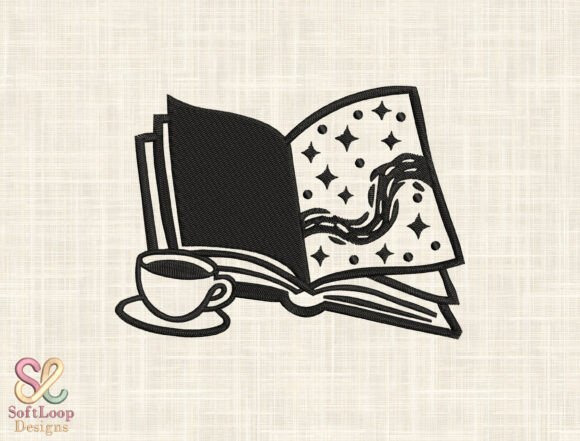
Magic Book Embroidery Design: A Charmed Addition to Craft Fair Goods
First Impressions: Cozy, Creative, and Captivating
When I first laid eyes on the Magic Book Embroidery Design, I immediately thought of whimsy meets craftsmanship. This isn't just another embroidery file — it's a story waiting to be told on fabric. The open book motif with animated pages suggests a design that's both decorative and conversation-starting. It leans into that cozy, imaginative vibe that handmade shoppers love, especially at craft fairs where storytelling and charm matter as much as quality.
Perfect Fit for House Category Embroidery Projects
The Magic Book Embroidery Design feels especially at home in the House category. Whether stitched onto a tea towel, pillow cover, or apron, it brings a sense of warmth and narrative to everyday items. For Etsy sellers and boutique makers, this kind of thematic depth can elevate a simple kitchen towel into a giftable, curated item.
How It Performs on Craft Fair Products
Let’s talk real-world application. I laid out a mock display of tote bags, tea towels, embroidered patches, and pouches, and the Magic Book Embroidery Design stood out every time. On tote bags and market bags, it acts as a focal point — bold enough to catch attention from across the booth. On tea towels and pillow covers, it reads as elegant yet playful, which is a great balance for handmade products that need to appeal to a wide audience.
As for aprons and embroidered caps, the design adapts well. On caps, it needs to be scaled carefully — but if done right, it adds a unique twist to a classic craft fair staple. The pages of the book are detailed, so using light-colored fabric or adding contrast thread choices will help maintain clarity, especially on textured surfaces like towels or thick cotton.
Visual Appeal and Booth Display Strength
One of the biggest challenges for craft fair sellers is creating a booth that draws people in. The Magic Book Embroidery Design helps with that. It’s different — not your average floral or monogram — and that’s a big plus. When I stitched it onto a sample tote and placed it near a stack of plain ones, customers immediately reached for the magic book version. That curiosity factor is gold in a crowded market.
It also photographs beautifully. For Etsy sellers and digital sellers who rely on online listings, this design is a win. The celestial and whimsical elements translate well into lifestyle photos — especially when styled with candles, books, or coffee mugs. Just be sure to capture the details in your product shots, so buyers can see the movement in the pages and the richness of the stitch work.
Batch Production and Practicality
When you're prepping for a weekend craft fair, you need embroidery designs that are not only beautiful but repeatable. The Magic Book Embroidery Design is definitely repeatable — as long as you take a few precautions. Check the stitch density before going all in. If it's a dense design, you may need to adjust your stabilizer or fabric choice, especially for thinner materials like lightweight pouches or baby caps.
Also, consider thread contrast. If the design uses a lot of colors or fine details, test it on a few different fabric tones. I found that it looks especially magical on oatmeal linen and soft grays, but fades a bit on busier prints. Keep your thread colors consistent across your product line to maintain brand cohesion, especially if you're using this as a signature design.
Watch Out for These Details
While the Magic Book Embroidery Design is a standout, it does come with some production caveats. First, the pages of the book have fine lines and small spaces — which can get lost on textured towels or thick denim. If you're using this on a curved surface like a cap, make sure the hoop size accommodates the shape and that the design doesn’t get distorted.
Also, watch for stitch density in the celestial elements — stars or swirls can sometimes get too dense or too light depending on the file. Always test on scrap fabric first. And if the design includes lettering or tiny details, be cautious about shrinking it down for small patches or pouches. What looks great at 4 inches may lose clarity at 2 inches.
Designer Notes: Before You Stitch and Sell
- Test the design on scrap fabric before production
- Check thread contrast on light and dark fabrics
- Review spacing between elements, especially in detailed areas
- Confirm hoop size fits your machine and intended product
- Inspect stitch density for texture and durability
- Use the right stabilizer for your fabric type
- Create at least one real mockup for display and photography
- Compare fabric colors to thread choices for best visibility
- Confirm commercial licensing before selling finished products
Final Thoughts: A Design Worth Investing In
For craft fair sellers, boutique makers, and Etsy entrepreneurs, the Magic Book Embroidery Design is more than a machine embroidery design — it’s a branding opportunity. It brings a sense of magic and narrative to your handmade products, helping them stand out in a saturated market. Whether you're selling embroidered tote bags, tea towels, or embroidered patches, this design adds a layer of charm that customers respond to.
As a professional embroidery designer, I’d definitely include this in a weekend craft fair lineup. It’s versatile, visually engaging, and has the kind of story behind it that makes handmade items memorable. Just remember to test, plan, and photograph well — and you’ll be stitching your way to a successful booth in no time.